
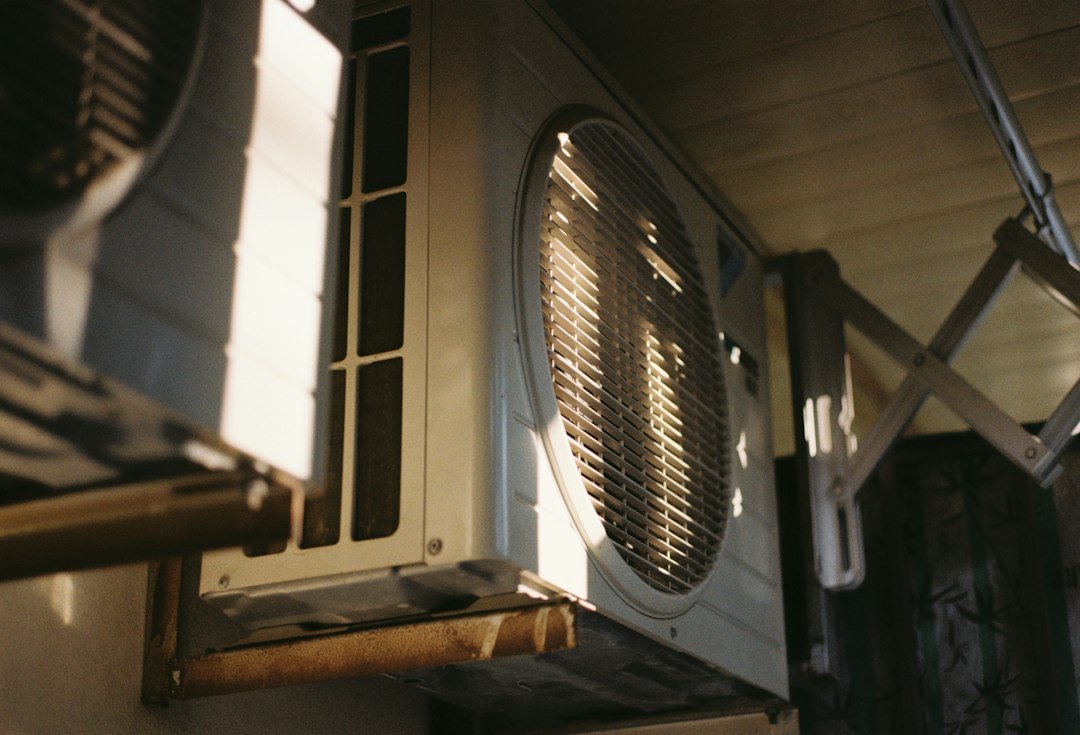
Regular air conditioning maintenance is the cheapest way to keep a home cool, lower power bills and avoid a mid-summer breakdown. Most of the work takes less than an hour a month, and the rest is a once-a-year professional tune-up. This guide gives you a complete air conditioning maintenance checklist: what to do yourself, what to leave to a licensed technician, how often to do each task, and what it costs in 2026.
The advice below applies to central split systems, heat pumps used for cooling, ductless mini splits and window units. Where a step only applies to one type, we say so.
Why Air Conditioning Maintenance Matters
An air conditioner moves heat out of your home by pushing refrigerant through two coils and blowing air across them. Anything that slows that airflow or insulates those coils (dust, pollen, pet hair, leaves, grass clippings) forces the system to run longer to reach the same temperature.
According to the U.S. Department of Energy, replacing a dirty, clogged filter with a clean one can lower an air conditioner’s energy use by 5% to 15%. That is the single easiest saving in home cooling.
Skipping air conditioning maintenance usually shows up in four ways:
- Higher electricity bills because the compressor runs longer cycles.
- Weaker cooling on the hottest days, when the system has the least spare capacity.
- Water leaks from a clogged condensate drain, which can stain ceilings and walls.
- Shorter equipment life, because dirty coils and loose electrical parts make the compressor and fan motors work harder.
Many manufacturers also require proof of annual professional service to honor the parts warranty, so keep your receipts.
Air Conditioning Maintenance Schedule at a Glance
Use this table as your yearly air conditioning maintenance plan. Tasks marked DIY are safe for most homeowners; tasks marked Pro need a licensed HVAC technician.
| Task | How often | Who |
|---|---|---|
| Check and replace or clean the air filter | Every 1–2 months in cooling season | DIY |
| Clear leaves, weeds and debris around the outdoor unit | Monthly in spring and summer | DIY |
| Check that supply and return vents are open and unblocked | Monthly | DIY |
| Flush the condensate drain line | Every 3 months in cooling season | DIY |
| Gently rinse the outdoor condenser coil | Once a year, before summer | DIY |
| Test the thermostat and replace its batteries | Twice a year | DIY |
| Inspect refrigerant charge and test for leaks | Once a year | Pro |
| Inspect and tighten electrical connections, test capacitor and contactor | Once a year | Pro |
| Clean the indoor evaporator coil | Once a year, or as needed | Pro |
| Measure airflow and check ducts for leaks | Once a year | Pro |
The best time for professional air conditioning maintenance is early spring, before the first heat wave. Technicians are easier to book, and any problem they find can be fixed before you need the system every day.
12-Step DIY Air Conditioning Maintenance Checklist
Before you start any air conditioning maintenance, turn the power off at the thermostat and at the outdoor disconnect box (a small metal box mounted on the wall next to the condenser). If your system has a dedicated breaker, switch that off too.
1. Replace or Clean the Air Filter
The filter is the most important part of air conditioning maintenance. It sits in the return air grille or in a slot next to the indoor air handler or furnace. Slide it out and hold it up to a light. If you cannot see light through it, replace it.
- Standard 1-inch filters: check monthly and replace every 1–2 months in cooling season.
- Homes with pets, smokers, allergies or nearby construction: check every 2–3 weeks.
- Thicker 4- or 5-inch media filters usually last 6–12 months, but check them anyway.
Match the size printed on the filter frame and point the airflow arrow toward the blower. A MERV 8 to MERV 11 filter suits most homes. Very high MERV ratings can restrict airflow on systems that were not designed for them.
2. Clear the Area Around the Outdoor Unit
The condenser needs to pull in air from all sides. Remove leaves, grass clippings and trash, and keep shrubs trimmed back at least 2 feet from the unit, which is the minimum clearance the Department of Energy recommends. Leave about 5 feet of open space above the fan.
3. Clean the Condenser Coil
With the power off, use a garden hose on a gentle setting to rinse the outside coil from the inside out if you can remove the top fan grille, or from the outside in if you cannot. Never use a pressure washer, which flattens the thin aluminium fins.
For heavy dirt, spray a no-rinse foaming coil cleaner made for outdoor condensers, wait the time listed on the label, then rinse.
4. Straighten Bent Coil Fins
Bent fins block airflow and undo the benefit of the rest of your air conditioning maintenance. A plastic fin comb (sold at hardware stores for a few dollars) slides between the fins and straightens them. Work gently and only straighten what you can reach without forcing the comb.
5. Flush the Condensate Drain Line
Your system removes moisture from indoor air, and that water runs out through a PVC drain line near the indoor unit. Algae and slime can clog it.
- Find the drain line access port, usually a T-shaped fitting with a cap.
- Remove the cap and pour in one cup of white distilled vinegar.
- Wait 30 minutes, then flush with a cup of warm water.
- Check that water drains freely outside or into the floor drain.
If the line is fully blocked, a wet-dry vacuum attached to the outdoor end can pull the clog out.
6. Check the Drain Pan and Float Switch
Look under the indoor coil for standing water or rust in the drain pan. Many systems have a float switch that shuts the AC off when the pan fills. If your air conditioner suddenly stops and the pan is full, a clogged drain is the likely cause.
7. Open and Vacuum All Vents
Closing vents in unused rooms does not save money on most central systems; it raises pressure in the ducts and can reduce airflow over the coil. Keep supply vents open, remove furniture or rugs blocking them, and vacuum dust from the grilles.
8. Test the Thermostat
Set the thermostat to cool and lower it 3 degrees below room temperature. The system should start within a few minutes. If it does not, replace the batteries and check the settings. A smart or programmable thermostat makes it easy to raise the temperature when nobody is home.
9. Listen and Look During a Test Run
Turn the power back on and run the system for 15 minutes. Listen for grinding, squealing, buzzing or rattling. Feel the air at a supply vent: it should be noticeably cooler than room air. Check that the large insulated copper line at the outdoor unit feels cool.
10. Inspect the Refrigerant Line Insulation
The foam insulation on the larger copper line prevents energy loss and condensation. Replace sections that are cracked, crushed or missing with foam pipe insulation from a hardware store.
11. Keep the Outdoor Unit Level
A condenser pad that has sunk or tilted can strain the compressor and refrigerant lines. If the unit leans noticeably, ask your technician to re-level it during the next visit.
12. Mini Split and Window Unit Extras
- Ductless mini splits: wash the washable indoor filters every 2–4 weeks in summer, and wipe the indoor head’s vanes with a damp cloth.
- Window units: clean the front filter every two weeks, check the seal between the unit and the window frame at the start of each season, and cover or remove the unit for winter.
What a Professional AC Tune-Up Includes
DIY work handles airflow and cleanliness. A professional air conditioning maintenance visit covers the parts that need tools, training and refrigerant certification. A good technician should:
- Measure the refrigerant charge and test for leaks with an electronic leak detector.
- Recover refrigerant properly if any must be removed, rather than venting it.
- Test the run capacitor and inspect the contactor, the two parts that most often fail in summer.
- Inspect, clean and tighten electrical terminals.
- Measure airflow across the indoor evaporator coil and clean the coil if needed.
- Check ductwork for leaks on central systems.
- Lubricate motors and check belts where the equipment has them.
- Confirm the thermostat reads accurately and that heating and cooling cannot run at the same time.
Ask for a written air conditioning maintenance report showing temperature split, refrigerant pressures and capacitor readings. Those numbers make it easier to spot a slow decline from one year to the next.
A Note on Refrigerant
Systems installed before 2010 often use R-22, which is no longer produced in the U.S., so recharging an older unit is expensive. Most systems from the last 15 years use R-410A, and many new systems now use lower-impact refrigerants such as R-454B or R-32. Only a certified technician may handle refrigerant. If your system needs refrigerant more than once, it has a leak that should be repaired rather than topped up again.
How Much Does Air Conditioning Maintenance Cost in 2026?
According to Fixr’s 2026 cost data, a central air conditioner tune-up typically costs $70 to $200, while a full HVAC tune-up covering heating and cooling averages about $275. Annual maintenance plans run roughly $150 to $500 a year and often add priority scheduling or discounted repairs.
| Item | Typical 2026 cost |
|---|---|
| Central AC tune-up | $70–$200 |
| Full HVAC tune-up (heating and cooling) | about $275 on average |
| Annual maintenance plan | $150–$500 per year |
| HVAC technician labor | $75–$150 per hour |
| Replacement air filter (1-inch) | $5–$25 each |
Air conditioning maintenance prices vary by region, system size, system age and how much cleaning is needed. Repairs and parts found during the visit are billed separately.
Seasonal Air Conditioning Maintenance: Spring Start-Up and Fall Shutdown
Splitting air conditioning maintenance into two seasonal routines makes it easy to remember.
Spring Start-Up Routine
- Remove any winter cover from the outdoor unit. Covers trap moisture and should only stay on while the system is off.
- Clear debris that built up over winter and trim back new plant growth.
- Rinse the condenser coil and straighten any bent fins.
- Install a fresh air filter and flush the condensate drain line with vinegar.
- Switch the breaker back on and wait 24 hours before running the AC if the breaker was off all winter. Many compressors have a crankcase heater that needs time to warm the oil.
- Run a 15-minute test and book your professional tune-up.
Fall Shutdown Routine
- Replace the filter once more so the system is clean for the heating season if it shares the same air handler.
- Clear leaves from around and on top of the outdoor unit.
- If you live where it snows, cover only the top of the condenser with a breathable cover or a piece of plywood to keep ice and debris out. Do not wrap the whole unit in plastic.
- Remove or cover window units and seal the window opening.
Heat pumps run all year, so skip the shutdown steps and keep the outdoor unit clear of snow instead.
Common Air Conditioning Maintenance Mistakes to Avoid
Even well-meaning homeowners make a few errors that cost money:
- Using a pressure washer on the coil. High pressure bends fins and can damage the coil itself. A garden hose is enough.
- Forgetting to cut the power. Always switch off the outdoor disconnect before touching the condenser. Capacitors can hold a charge, so never open the electrical panel on the unit.
- Buying the highest MERV filter available. A filter that is too restrictive can starve the system of airflow and freeze the indoor coil.
- Topping up refrigerant every year. An air conditioner is a sealed system. If it needs refrigerant, it has a leak that should be found and fixed.
- Closing vents to save energy. On most central systems this raises duct pressure and lowers efficiency.
- Waiting until the first heat wave. Booking air conditioning maintenance in spring avoids long wait times and emergency rates.
Warning Signs Your AC Needs Service Now
Book a technician before your annual air conditioning maintenance visit if you notice any of these:
- Warm air from the vents while the outdoor fan is running.
- Ice on the copper lines or the indoor coil.
- The system turns on and off every few minutes (short cycling).
- Water pooling around the indoor unit.
- A burning or electrical smell.
- Breakers tripping when the AC starts.
- A sudden jump in your electricity bill without a change in weather or usage.
Turn the system off if you see ice or smell burning. Running a frozen or overheating system can damage the compressor, the most expensive part to replace.
Energy-Saving Habits Between Tune-Ups
Air conditioning maintenance works best when it is paired with good daily habits:
- Set the thermostat as high as is comfortable when you are home, and higher when you are away.
- Use ceiling fans so you feel cooler at a higher setting. Turn them off when you leave the room.
- Close blinds on sun-facing windows during the afternoon.
- Seal gaps around doors and windows so cooled air stays inside.
- Avoid running the oven or dryer during the hottest part of the day.
Air Conditioning Maintenance FAQ
How often should air conditioning maintenance be done?
Do the quick DIY checks monthly during the cooling season and book professional air conditioning maintenance once a year, ideally in spring. Heat pumps that heat and cool should be serviced twice a year, once before summer and once before winter.
Can I do air conditioning maintenance myself?
Yes, for filters, clearing debris, rinsing the outdoor coil, flushing the drain line and checking the thermostat. Electrical testing and anything involving refrigerant should be left to a licensed technician.
Is an annual AC tune-up worth the money?
For most homes, yes. A $70–$200 visit can catch a weak capacitor or a small refrigerant leak before it causes a breakdown, and many warranties require annual service.
What happens if I never service my air conditioner?
Efficiency drops each year as coils and filters collect dirt. Over time, that leads to higher bills, frozen coils, water leaks and a higher risk of compressor failure.
When is the best time to schedule AC maintenance?
Early spring, before temperatures climb. Technicians are less busy, and you have time to make repairs before you rely on the system daily.
The Bottom Line
Good air conditioning maintenance comes down to three habits: keep air moving with clean filters and a clear outdoor unit, keep water draining with a flushed condensate line, and book one professional tune-up a year. Follow the schedule above and your system should cool better, cost less to run and last longer.
Looking for more home guides? Browse the Evora Home Decor section for practical ideas on keeping your home comfortable year-round.
This guide is for general information. Electrical and refrigerant work should only be carried out by a licensed HVAC professional.

Evora Lifestyle Desk
The Evora Lifestyle Desk covers fashion, beauty, food and home decor, with practical ideas, how-to guides and trend roundups for everyday living.