
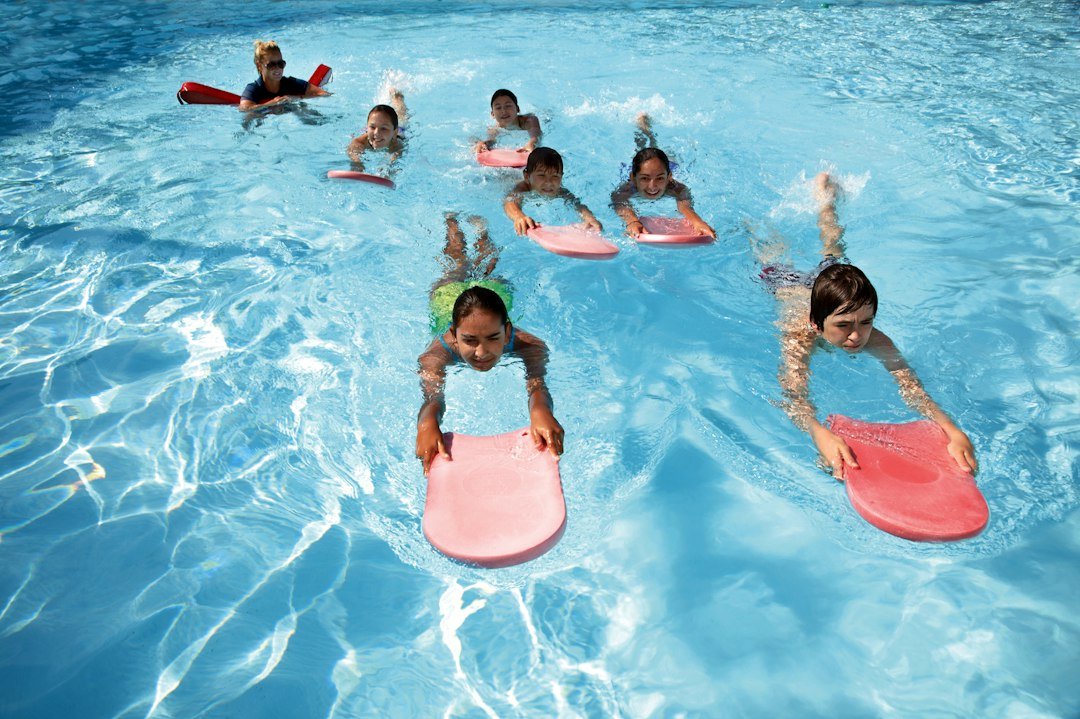
Swimming lessons are one of the few activities that are fun, good exercise and a genuine life skill at the same time. Whether you are signing up a toddler, a nervous school-age child or yourself as an adult beginner, the right swimming lessons build confidence in the water and lower the risk of drowning. The wrong program, on the other hand, can waste money or leave a swimmer with gaps in basic safety skills.
This guide explains when to start swimming lessons, the different types available, what each age group should learn, how much swimming lessons cost in 2026, and how to choose a good program.
Why Swimming Lessons Matter
Drowning is a leading cause of death for young children in the United States, and it often happens quickly and silently. The American Academy of Pediatrics describes swimming lessons as one important layer of protection, alongside close supervision, pool fencing, life jackets and CPR training. Studies have linked water competency training for children ages 1 to 4 with a lower risk of drowning.
Beyond safety, swimming lessons bring benefits that last a lifetime:
- Full-body fitness that is gentle on joints.
- Confidence in pools, lakes and at the beach.
- A gateway to other sports such as water polo, surfing, triathlon, kayaking and diving.
- Social skills for children in group classes.
No lesson makes anyone “drown-proof,” so adult supervision is still essential even after a child can swim.
When Should You Start Swimming Lessons?
The AAP says many children can start swimming lessons around age 1, though readiness varies with each child’s development and comfort in the water. Your pediatrician can help you decide.
- Under 1 year: The AAP notes there is no evidence that formal swim programs for babies under 1 reduce drowning risk. Parent-and-baby water play classes are fine for getting used to water.
- Ages 1 to 3: Parent-child classes build comfort, back floating and safe water habits.
- Age 4 and up: Most children are ready for independent swimming lessons and can learn to tread water and get to an exit.
- Ages 5 to 6: Most children in regular lessons can learn the front crawl.
- Teens and adults: It is never too late. Adult swimming lessons are widely available and often taught in small, shallow-water groups.
Types of Swimming Lessons
Parent-and-Child Classes
Designed for babies and toddlers, these classes have a parent in the water holding the child. They focus on water comfort, songs and games, kicking, blowing bubbles and back floating. Expect 30-minute sessions in warm water.
Group Swimming Lessons
The most common and affordable option. Children are grouped by skill level, usually 3 to 8 swimmers per instructor. Group swimming lessons work well for children who are comfortable in the water and motivated by peers.
Private Swimming Lessons
One instructor, one swimmer. Private swimming lessons cost more but move faster, and they suit nervous swimmers, children with special needs, adults who feel self-conscious, and anyone preparing for a specific goal like a swim test.
Semi-Private Lessons
Two or three swimmers, often siblings or friends at a similar level. They balance personal attention with lower cost.
Adult Learn-to-Swim Programs
Many adults never learned to swim or carry anxiety from a bad experience. Adult classes start in shallow water and focus on breathing, floating and putting the face in the water before moving on to strokes.
Adapted Aquatics
Programs for swimmers with physical disabilities, developmental differences or autism. The AAP notes these can improve swimming ability and reduce drowning risk. Ask for instructors with adapted aquatics training.
Stroke Clinics and Swim Teams
For swimmers who already know the basics and want to improve technique, speed or prepare for competition.
What Should Swimmers Learn? Skills by Age
Good swimming lessons teach water competency, not just pretty strokes. The AAP highlights three core survival skills: getting back to the surface after going under, moving through the water for at least 25 yards, and getting out of the water safely.
| Age | Typical goals in swimming lessons |
|---|---|
| 6 months to 3 years | Comfort in water, kicking, blowing bubbles, back floating with support, entering and exiting safely with a parent |
| 3 to 5 years | Floating on front and back alone, submerging, rolling from front to back, short independent swims, climbing out |
| 5 to 8 years | Front crawl and backstroke basics, treading water, swimming 25 yards, jumping in and returning to the wall |
| 8 to 12 years | Breaststroke, rhythmic breathing, longer distances, basic diving, recognizing a swimmer in trouble |
| Teens and adults | Relaxed breathing, all four strokes, deep-water confidence, open-water awareness |
How Much Do Swimming Lessons Cost in 2026?
Prices vary widely by location, lesson length and format. Data from Thumbtack shows most people spend roughly $98 to $268 on private swim lessons, with individual 30-minute private sessions often costing $35 to $40 and 60-minute sessions $55 to $75 in examples from California swim schools. Buying a package of lessons usually lowers the price per session.
| Lesson type | Typical cost |
|---|---|
| Community center or YMCA group class (multi-week session) | About $50–$150 per session block |
| Private swim school group class | About $20–$40 per class, often billed monthly |
| Private lesson, 30 minutes | About $35–$60 |
| Private lesson, 60 minutes | About $55–$100 |
| Semi-private lesson (per swimmer) | About $25–$50 |
City recreation departments and the YMCA are usually the cheapest way to start, and many offer financial assistance or free summer swimming lessons. Indoor swim schools with warm pools and small classes cost more but often run all year.
How to Choose Good Swimming Lessons
Use this checklist when you compare programs:
- Certified instructors. Teachers should be trained through a nationally recognized learn-to-swim curriculum, and lifeguards should hold current CPR and first aid certification.
- Small class sizes. For young children, look for no more than 4 to 6 swimmers per instructor.
- Water safety focus. Lessons should include floating, getting to the wall, exiting the pool and what to do after an unexpected fall into water, ideally including practice in clothes.
- Warm water for little ones. For children under 4, the AAP suggests water around 87 to 94°F.
- Clear skill levels. Good programs assess each swimmer and explain how to move up a level.
- Open observation. You should be allowed to watch a class before you sign up.
- Consistent schedule. Lessons once or twice a week over several months beat a single crash course.
- Lots of active time. Swimmers should spend most of the class moving, not waiting on the wall.
Red Flags
- Instructors who force a frightened child under the water.
- Large groups with one teacher and no helper.
- No lifeguard on duty for the pool.
- Promises that a few classes will make a child “water safe.”
How Many Swimming Lessons Does It Take?
There is no fixed number. Many young children need several months of weekly swimming lessons to swim independently, and progress often comes in bursts. Adults with no fear of water may learn basic strokes in 8 to 12 lessons, while anxious adults may need longer just to feel relaxed with their face in the water.
Consistency matters more than intensity. Two short lessons a week usually beat one long one, and practice between swimming lessons speeds up progress.
How to Prepare for the First Lesson
- Talk positively about the pool and visit it beforehand if possible.
- Pack a well-fitting swimsuit, goggles, towel, flip-flops and a warm layer for afterward. Babies and toddlers need a swim diaper.
- Eat a light snack about an hour before, not a large meal.
- Arrive early so nobody feels rushed.
- Let the instructor know about any fears, medical conditions or past bad experiences.
Adult Swimming Lessons: Tips for Beginners
Learning as an adult has advantages: you understand instructions and can practice on your own. To get the most from adult swimming lessons:
- Start with private or small-group classes in shallow water.
- Focus first on breathing out slowly underwater; most adult struggles come from holding the breath.
- Use goggles so you can see and feel calmer.
- Practice floating until it feels relaxed before worrying about strokes.
- Book a regular slot and treat it like any other appointment.
The Four Main Strokes Explained
Most programs teach strokes in roughly this order, because each one builds on skills from the last.
Freestyle (Front Crawl)
The fastest and most common stroke. The swimmer lies face down, kicks with straight legs from the hips and pulls with alternating arms while turning the head to the side to breathe. Learning to breathe without lifting the whole head is the usual sticking point.
Backstroke
Swum on the back with an alternating arm action and a flutter kick. Because the face stays out of the water, many nervous beginners find it the easiest stroke to enjoy. The challenge is keeping the hips high and swimming in a straight line without seeing where you are going.
Breaststroke
A slower, rhythmic stroke with a frog-like kick and a heart-shaped arm pull. It is popular with adults and recreational swimmers because the head can rise for each breath. Timing the kick and pull together takes practice.
Butterfly
The most demanding stroke, with both arms moving together over the water and a dolphin kick. It requires strength, rhythm and good breathing control, so it is usually taught last.
Instructors also teach treading water and elementary backstroke, two energy-saving skills that matter more for safety than speed.
Helping a Nervous or Fearful Swimmer
Fear of water is common in children and adults, and pushing too hard usually makes it worse. These approaches help:
- Go at the swimmer’s pace. Small wins, like putting the chin in the water, build trust.
- Practice breathing on dry land first. Breathing in through the mouth and humming out through the nose prepares swimmers for bubbles underwater.
- Use goggles and a nose clip if water in the eyes or nose triggers panic.
- Stay in standing depth until floating feels relaxed.
- Praise effort, not just results. Celebrate trying something new even if it did not go perfectly.
- Choose a patient instructor. A good teacher explains every step before it happens and never surprises a nervous swimmer.
For adults who had a frightening experience in water, a private instructor who specializes in adult beginners can make a big difference.
Practicing Between Lessons
Short family pool visits help skills stick. Play games that repeat lesson skills, such as retrieving sinking toys, floating like a starfish or kicking races with a board. Always keep young children within arm’s reach, even if they have finished several levels of swimming lessons.
Water Safety Beyond Swimming Lessons
Swimming lessons work best as part of a wider safety plan:
- Assign a dedicated “water watcher” who is not on a phone or reading.
- Install a four-sided pool fence with a self-closing, self-latching gate.
- Use U.S. Coast Guard-approved life jackets in open water and for weak swimmers.
- Learn CPR. Many hospitals and the Red Cross offer short courses.
- Teach children to always ask permission before going near water.
Swimming Lessons FAQ
What is the best age to start swimming lessons?
Many children can begin around age 1 in parent-child classes, and most are ready for independent swimming lessons by age 4. Talk to your pediatrician about your child’s readiness.
Are private or group swimming lessons better?
Private lessons move faster and suit nervous or advanced swimmers. Group swimming lessons cost less and work well for confident children who enjoy learning alongside others.
How long does each lesson last?
Toddler classes are usually 30 minutes. Classes for older children and adults typically run 30 to 60 minutes.
Can adults learn to swim?
Yes. Adult swimming lessons are designed for beginners and anxious swimmers, and most adults make steady progress with weekly practice.
Do swimming lessons make a child water safe?
No. They lower the risk but do not remove it. Close supervision, fencing, life jackets and CPR knowledge are still needed.
The Bottom Line
The best swimming lessons match the swimmer’s age and comfort level, are taught by certified instructors, and focus on survival skills as well as strokes. Start early, keep lessons regular, practice between classes and pair lessons with strong water safety habits. Whether for a toddler or a grown-up, swimming lessons are an investment that pays off for life.
Explore more fitness and sports guides in the Evora Sports section.

Evora Sports Desk
The Evora Sports Desk covers games, athletes and the culture around sport, from league news and explainers to training and equipment guides.