
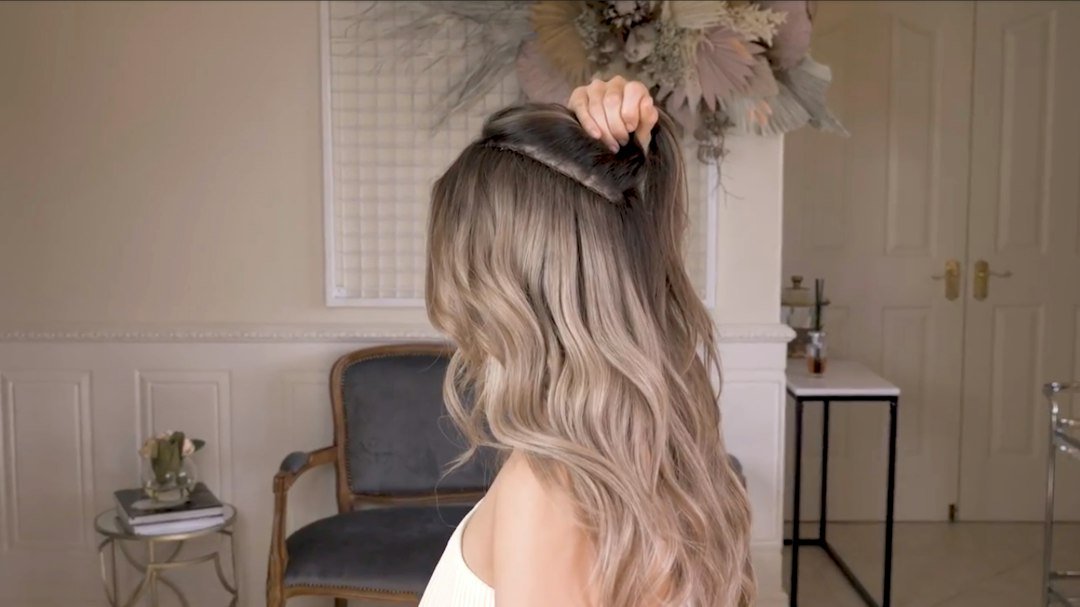
Balayage is one of the most requested hair color services in salons, and it is easy to see why. Instead of stripes of color from root to tip, it gives soft, natural-looking brightness that grows out gracefully, so you can go months between appointments. If you are thinking about trying it, this guide explains what balayage is, how it differs from highlights and ombré, the best color ideas for every shade, what it costs in 2026, and how to keep it looking fresh.
What Is Balayage?
Balayage (pronounced bah-lee-ahzh) comes from a French word meaning “to sweep.” It is a freehand hair coloring technique: the colorist paints lightener directly onto the surface of the hair, sweeping it on in a soft V or W shape instead of saturating whole sections in foil.
Because the color is hand-painted, the result looks like hair that has been lightened by the sun. The roots stay closer to your natural shade, and the brightness builds toward the mid-lengths and ends. That soft blend is the main reason it needs fewer touch-ups than traditional highlights.
How the Technique Works
- Consultation: your colorist looks at your natural shade, past color, hair health and the look you want.
- Sectioning: hair is divided into sections, usually without foils covering the whole strand.
- Painting: lightener is swept onto chosen pieces, heavier at the ends and lighter near the root.
- Processing: the lightener develops, sometimes under open air, plastic film or cotton strips.
- Toning: a gloss or toner adjusts the final shade, for example removing brassiness or adding warmth.
- Finish: a treatment, blow-dry and style show off the dimension.
Most appointments take two to four hours, depending on hair length, thickness and how light you want to go.
Balayage vs Highlights vs Ombré
These terms are often mixed up. Here is how they compare:
| Feature | Balayage | Traditional highlights | Ombré |
|---|---|---|---|
| Technique | Hand-painted, freehand | Sections wrapped in foil | Gradual fade from dark to light |
| Look | Soft, sun-kissed, blended | More uniform, defined streaks | Clear contrast between roots and ends |
| Starting point | Below the root, varies by piece | Usually right at the root | Mid-length to ends |
| Grow-out | Soft, few visible lines | Noticeable regrowth line | Very forgiving |
| Typical touch-up | Every 3 to 4 months | Every 6 to 8 weeks | Every 3 to 6 months |
| Best for | Natural dimension, low maintenance | Brighter, all-over lightness | Bold, two-tone effect |
What About Foilayage?
Foilayage combines both methods: the color is painted freehand like balayage, then wrapped in foil to trap heat. This helps lift dark hair to a brighter blonde than open-air painting usually can. Ask your colorist about foilayage if you have dark hair and want a high-contrast result.
Is Balayage Right for You?
The technique works on almost every hair type and length, but it is especially good if you:
- Want a natural, lived-in color rather than a dramatic change.
- Prefer low-maintenance hair and do not want to visit the salon every six weeks.
- Are growing out a previous color and want a softer transition.
- Want to blend early gray hairs without committing to full root coverage.
It may not be the best choice if you want very bright, uniform blonde from the root, or if your hair is badly damaged. A colorist may suggest a few months of treatments first.
Best Balayage Ideas by Hair Color
Balayage for Brunettes
Brown hair is the classic canvas for hand-painted color. Popular choices include:
- Caramel balayage: warm golden-brown ribbons that add glow without much maintenance.
- Honey balayage: slightly lighter and brighter, ideal for warm skin tones.
- Mushroom or ash brown: cool, smoky tones for people who dislike warmth.
- Chocolate and cinnamon: subtle red-brown dimension for deeper brunettes.
Balayage for Black Hair
On very dark hair, colorists often aim for rich tones such as espresso, mocha, copper or bronze rather than icy blonde in one session. Lifting black hair takes time, so plan for a gradual approach to protect the hair.
Balayage for Blondes
Blondes use the technique to add dimension and keep color from looking flat. Options include beige blonde, golden blonde, platinum ends and rooted blonde, where a slightly darker root is kept on purpose for easier grow-out.
Red and Copper Balayage
Strawberry blonde, copper and auburn ribbons add warmth to natural red or light brown hair. Red tones fade faster than other colors, so expect to refresh with a gloss more often.
Gray Blending Balayage
Fine, bright ribbons of color can disguise gray strands so regrowth is less obvious. Many people use this as a step toward embracing their natural gray.
Face-Framing and Money Piece
A money piece is a brighter section around the face that lights up the complexion. It pairs well with painted color and is one of the easiest ways to look refreshed between full appointments.
How Much Does Balayage Cost in 2026?
Prices depend on your location, the salon, the colorist’s experience and your hair length and thickness. According to Curl Centric’s balayage cost guide, balayage typically costs about $70 to $300 in the U.S., compared with roughly $75 to $150 for a full head of traditional highlights. Very long or thick hair, high-end city salons and senior colorists cost more.
| Factor | How it affects the price |
|---|---|
| Hair length and thickness | More hair means more product and more time |
| Starting color | Dark or previously dyed hair may need extra steps |
| Salon and colorist level | Senior and specialist colorists charge more |
| Toner, gloss and bond treatments | Often billed as add-ons |
| Number of sessions | Big changes may need two or three visits |
Ask for a full quote during your consultation, including toner, treatments, cut and tip, so there are no surprises.
How Long Does Balayage Last?
The color usually lasts around three to four months before a touch-up, according to the same guide, and some people stretch it longer because the grow-out is soft. The lightened pieces themselves are permanent until cut off, but the toner fades sooner. Many people book a quick gloss every six to eight weeks to keep the tone fresh, and a full appointment two to four times a year.
Balayage Aftercare: How to Keep Your Color Fresh
Lightened hair is more porous, so it needs extra care:
- Wait 48 to 72 hours before your first wash to let the color settle.
- Use sulfate-free, color-safe shampoo and conditioner to slow fading.
- Use a purple or blue shampoo once a week or less if your blonde or brown turns brassy. Overusing it can dull the color.
- Add a weekly mask and consider a bond-building treatment to strengthen the hair.
- Use heat protectant before blow-drying, straightening or curling, and keep tools on a moderate setting.
- Wash with cool or lukewarm water and wash less often if your hair allows.
- Protect your hair from chlorine and sun with a leave-in conditioner or a hat.
- Book regular trims every 8 to 12 weeks to remove dry ends.
Can You Do Balayage at Home?
Box kits for hand-painted color exist, but results are hard to control. Common problems include uneven placement, orange or yellow tones, and breakage from leaving bleach on too long. If you want to try at home, start with small face-framing pieces, do a strand test, follow the timing exactly and never lighten hair that has recently been relaxed or permed. For big changes, dark hair or previously colored hair, a professional colorist is worth the cost.
Choosing the Right Shade for Your Skin Tone
The most flattering color depends on your skin’s undertone as much as your natural hair shade.
- Warm undertones (golden, peachy skin; veins look greenish): caramel, honey, golden blonde and copper ribbons glow against warm skin.
- Cool undertones (pink or rosy skin; veins look bluish): ash brown, mushroom, beige and icy blonde tones look crisp rather than brassy.
- Neutral undertones (a mix of both): most shades work, so you can choose by mood and maintenance. Soft bronde, a blend of brown and blonde, is a safe favorite.
- Deep skin tones: rich caramel, mahogany, copper and golden bronze add warmth and contrast without washing out the complexion.
A simple test is to hold gold and silver jewelry against your face in daylight. If gold looks better, lean warm; if silver looks better, lean cool. Your colorist can fine-tune the tone with a gloss on the day.
Your Salon Consultation: Questions to Ask
A good consultation saves money and avoids disappointment. Before any color is mixed, ask:
- How many sessions will it take to reach the look in my photos?
- Will you use a bond builder to protect my hair during lightening?
- What toner or gloss will you use, and how long does it usually last?
- How should I care for my hair at home, and which products do you recommend?
- What is the total price, including toner, treatment, haircut and blow-dry?
- When should I book my next visit, and can I come in for a quicker gloss in between?
Bring photos of looks you love and looks you dislike, and be honest about your past color, including box dye and henna. Previous color affects how hair lifts and is the most common reason results differ from inspiration photos.
A Simple Maintenance Schedule
| Time after appointment | What to do |
|---|---|
| First 3 days | Avoid washing so the color and toner can settle |
| Every week | Use a hydrating mask; use purple shampoo only if brassiness appears |
| Every 6 to 8 weeks | Optional gloss or toner refresh at the salon |
| Every 8 to 12 weeks | Trim to remove dry or split ends |
| Every 3 to 4 months | Full color touch-up, or longer if you like a lived-in look |
How to Save Money on Hair Color
Salon color is an investment, but there are ways to spend less without cutting corners:
- Choose a lived-in, rooted look so you can stretch time between full appointments.
- Book a gloss between visits instead of a full color service when the tone fades.
- Look for advanced students at reputable training academies, where services are supervised and often cheaper.
- Ask about partial services that brighten only the top layer and face-framing pieces.
- Protect your color at home with gentle products and heat protection so it lasts longer.
Common Balayage Mistakes to Avoid
- Bringing only one inspiration photo. Show two or three, plus examples of what you do not like.
- Expecting dark hair to turn platinum in one visit. Safe lightening often takes several sessions.
- Skipping toner. Untoned lightener often looks brassy.
- Washing with hot water every day. It fades color quickly.
- Ignoring hair health. Damaged hair breaks easily when lightened.
Balayage FAQ
Is balayage damaging to hair?
Any lightener can weaken hair, but this method usually lightens less hair than full highlights, and a good colorist will use bond builders. Healthy hair and proper aftercare keep damage to a minimum.
Does balayage work on short hair?
Yes. On bobs and pixie cuts, the colorist focuses on the ends and the top layers to add movement and texture.
Can you get balayage on curly hair?
Yes. Many colorists paint each curl pattern individually so the lightness shows where the curls fall, often called curl-by-curl or pintura technique.
How often do I need to touch up balayage?
Most people need a full touch-up every three to four months, with optional glosses every six to eight weeks.
What should I ask for at the salon?
Describe the depth you want (how light), the tone (warm, neutral or cool), how close to the root it should start, and how much maintenance you can handle.
The Bottom Line
Hand-painted color gives soft, natural brightness that suits almost anyone and grows out gracefully. Choose an experienced colorist, be realistic about how light your hair can go, budget for toner and treatments, and protect your color with gentle aftercare. Done well, balayage can keep your hair looking fresh for months.
Discover more beauty and style ideas in the Evora Fashion section.

Evora Lifestyle Desk
The Evora Lifestyle Desk covers fashion, beauty, food and home decor, with practical ideas, how-to guides and trend roundups for everyday living.