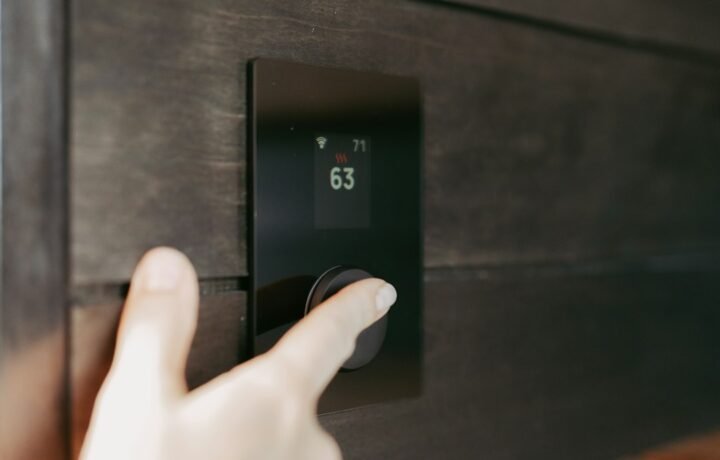
A mini split is one of the most efficient ways to heat and cool a single room, an addition or even a whole house without ductwork. If you are tired of a hot upstairs bedroom, want to condition a garage or converted attic, or are replacing old window units, a ductless system may be the answer. This guide explains how it works, the different types, how to size one, what it costs installed in 2026, and the pros and cons to weigh before you buy.
What Is a Mini Split?
A mini split, also called a ductless heat pump, is a heating and cooling system with two main parts:
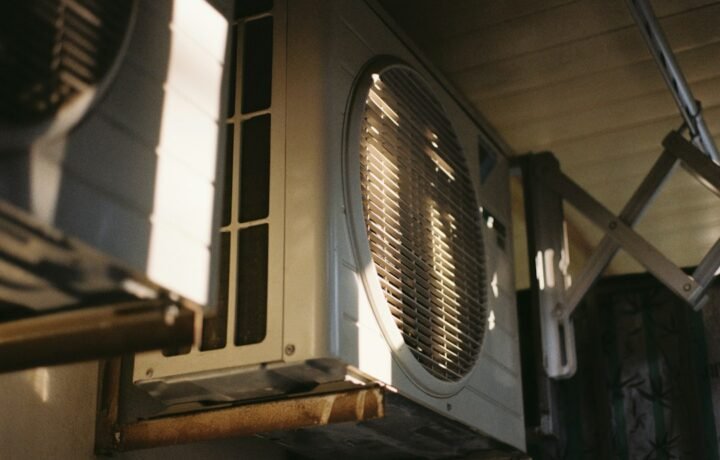
- An outdoor unit (the condenser or compressor) that sits outside on a pad or wall bracket.
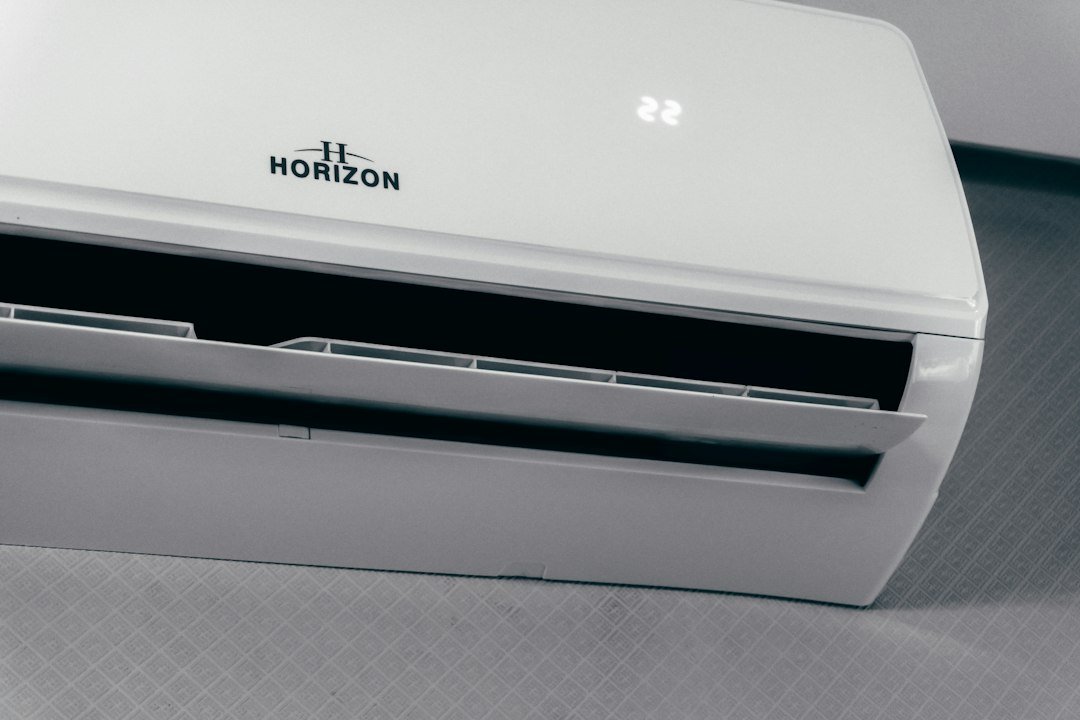
- One or more indoor units (often called air handlers or heads) mounted on a wall, ceiling or floor inside the rooms you want to condition.
The two parts are connected by a small bundle running through a hole about 3 inches wide in the wall. That bundle carries the refrigerant lines, a power cable and a condensate drain line. Because the system delivers air directly into each room, it does not need ducts, which is where the name “ductless” comes from.
Most modern ductless systems are heat pumps. They cool in summer by moving heat out of the house and heat in winter by pulling heat from the outdoor air, even when it is cold outside.
How Does a Mini Split Work?
It uses the same refrigeration cycle as a central air conditioner, but with a few key differences:
- The indoor unit draws in warm room air and blows it across a cold coil, where the refrigerant absorbs heat.
- The refrigerant carries that heat through the line set to the outdoor unit.
- The outdoor compressor and coil release the heat outside.
- In heating mode, the process reverses, and heat collected outdoors is released inside.
Most systems use inverter-driven compressors. Instead of switching fully on and off, an inverter compressor speeds up and slows down to match the room’s needs. That keeps temperatures steady and saves energy compared with older single-speed systems.
Types of Mini Split Systems
Single-Zone Systems
One outdoor unit connected to one indoor unit. This is the simplest and most affordable option, ideal for a single bedroom, office, sunroom, garage or addition.
Multi-Zone Systems
One outdoor unit powers two to five or more indoor units, each with its own thermostat. Multi-zone systems let different rooms run at different temperatures and are popular in homes with no existing ducts.
Indoor Unit Styles
| Indoor unit type | Where it goes | Best for |
|---|---|---|
| Wall-mounted | High on an interior or exterior wall | Most rooms; the most common and affordable |
| Ceiling cassette | Recessed into the ceiling | Open-plan spaces and a cleaner look |
| Floor console | Low on the wall near the floor | Rooms with sloped ceilings or little wall space |
| Concealed ducted | Hidden in a ceiling or attic with short ducts | Serving two or three nearby rooms invisibly |
DIY Installation Kits
Some brands sell kits with pre-charged line sets and quick-connect fittings designed for homeowners. They cost less upfront, but you still need to mount the units, run a dedicated electrical circuit and follow local permit rules. Check whether DIY installation affects the manufacturer’s warranty before you buy.
How to Size a Mini Split
Choosing the right size matters. An undersized unit runs constantly and cannot keep up; an oversized one cycles too often, wastes energy and does a poor job of removing humidity. Sizing is measured in BTUs (British thermal units).
| Room size (square feet) | Typical mini split size |
|---|---|
| 150 to 350 | 6,000 to 9,000 BTU |
| 350 to 550 | 12,000 BTU |
| 550 to 900 | 18,000 BTU |
| 900 to 1,250 | 24,000 BTU |
| 1,250 to 1,700 | 30,000 to 36,000 BTU |
These are starting points only. Ceiling height, insulation, sun exposure, number of windows, climate and how many people use the room all change the right size. A good installer should perform a load calculation, often called a Manual J, rather than guessing by square footage.
How Much Does a Mini Split Cost in 2026?
Prices vary with brand, efficiency, number of zones, line-set length and local labor rates. According to Fixr’s 2026 ductless heat pump cost data, a professionally installed ductless system averages about $4,400, with most projects falling between $2,000 and $8,000.
| Number of zones | Typical installed cost |
|---|---|
| 1 zone | $2,000 to $5,000 |
| 2 zones | $3,000 to $8,000 |
| 3 zones | $5,000 to $11,000 |
| 4 zones | $7,000 to $14,000 |
| 5 zones | $9,000 to $16,500 |
Extra costs to plan for include a new electrical circuit, a condensate pump if water cannot drain by gravity, line-set covers for a neater exterior, wall repairs and permits.
Are There Tax Credits for Ductless Heat Pumps?
The federal Energy Efficient Home Improvement Credit (Section 25C), which offered up to $2,000 for qualifying heat pumps, ended for equipment placed in service after December 31, 2025, under the One Big Beautiful Bill Act, as Honkamp’s tax guide explains. Many cost guides still mention it, so do not count on it for a 2026 installation. State programs and electric utilities may still offer rebates, so ask your installer and check your utility’s website.
Efficiency Ratings Explained
When comparing models, look at these ratings:
- SEER2: Seasonal cooling efficiency. Higher is better. Many quality ductless systems rate in the high teens to the 20s or more.
- HSPF2: Seasonal heating efficiency for heat pumps. Higher is better.
- EER2: Cooling efficiency at a hot outdoor temperature, useful in very hot climates.
- Low-temperature heating: Cold-climate models can keep heating at outdoor temperatures well below freezing. Check the manufacturer’s rated capacity at 5°F if you live somewhere cold.
- ENERGY STAR certification: A quick way to identify efficient models.
Mini Split vs Central Air vs Window Units
| Feature | Mini split | Central air | Window unit |
|---|---|---|---|
| Ductwork needed | No | Yes | No |
| Room-by-room control | Yes | Usually one zone | Yes, one room |
| Efficiency | High | Moderate to high | Low to moderate |
| Heating ability | Yes (heat pump models) | Requires furnace or heat pump | Usually no |
| Noise indoors | Very quiet | Quiet | Noticeable |
| Upfront cost | Moderate to high | High, especially if ducts are needed | Low |
| Looks | Visible indoor head | Hidden vents | Blocks a window |
Ductless systems shine in homes without ducts, in additions and in rooms that the central system struggles to keep comfortable. Central air is often cheaper per room when good ductwork already exists.
Pros and Cons of a Mini Split
Advantages
- No ducts needed, which avoids the energy loss that leaky ducts cause.
- Zoned comfort: each room can have its own temperature.
- High efficiency thanks to inverter compressors.
- Heating and cooling in one system with heat pump models.
- Quiet operation indoors and out.
- Flexible installation with only a small hole through the wall.
Disadvantages
- Higher upfront cost than window units.
- Visible indoor units that not everyone likes the look of.
- Multiple units for whole-house coverage, since each head serves one area.
- Regular filter cleaning is needed for good performance.
- Professional refrigerant work is usually required for installation and repairs.
Installation: What to Expect
A typical single-zone installation takes four to eight hours:
- The installer chooses locations for the indoor and outdoor units.
- A mounting plate is fixed to the wall and a small hole is drilled through it.
- The outdoor unit is placed on a pad or bracket and the line set is run between the two.
- An electrician connects a dedicated circuit and a disconnect switch.
- The refrigerant lines are vacuumed to remove air and moisture, then opened.
- The system is tested in heating and cooling modes.
Ask for proof of licensing and insurance, a written quote with model numbers and efficiency ratings, and details of both the labor warranty and the manufacturer’s parts warranty. Registering the equipment with the manufacturer after installation often extends the parts warranty.
Where to Place the Indoor and Outdoor Units
Good placement affects comfort, efficiency and how the system looks.
Indoor unit:
- Mount wall units about 6 to 7 feet high with clear space above for air intake.
- Point the airflow across the room, not straight at a bed, sofa or desk.
- Avoid spots above heat sources such as TVs, lamps or stoves, which can confuse the built-in sensor.
- Choose an exterior wall when possible so the line set and drain run short and straight.
Outdoor unit:
- Place it on a level pad or wall bracket, raised above expected snow depth in cold climates.
- Leave space around the coil and a clear path for the fan, and keep it out of a gutter’s drip line.
- Keep it away from bedroom windows and property lines where fan noise could bother neighbors.
- Keep the line set as short as practical; long runs add cost and can reduce efficiency.
Common Problems and How to Fix Them
| Problem | Likely cause | What to try |
|---|---|---|
| Weak airflow | Dirty indoor filters | Remove, rinse and dry the filters, then reinstall |
| Water dripping from the indoor unit | Clogged or kinked condensate line | Clear the drain or call your installer to check its slope |
| Musty smell | Mold or dust on the coil or blower wheel | Book a professional deep clean |
| Not heating in very cold weather | Normal defrost cycle or a model not rated for the cold | Wait a few minutes; check the low-temperature rating |
| Blinking lights or error code | Sensor, electrical or refrigerant fault | Look up the code in the manual and contact a technician |
| Ice on the outdoor unit in winter | Defrost mode not finished or a drainage issue | Allow defrost to run; make sure meltwater can drain away |
Short defrost pauses in winter are normal. During defrost, the indoor unit may stop blowing warm air for a few minutes while the outdoor coil sheds ice.
Maintenance Tips
Ductless equipment needs less maintenance than a ducted system, but it does need some:
- Clean the washable indoor filters every two to four weeks in heavy use.
- Wipe the indoor unit’s vents and vanes with a damp cloth.
- Keep the outdoor unit clear of leaves, snow and plants, with about 2 feet of space around it.
- Check the condensate drain for leaks or a musty smell.
- Book professional service once a year to clean the coils and blower wheel and check refrigerant pressure and electrical parts.
For a full seasonal checklist that also covers central systems, see our guide to air conditioning maintenance.
Mini Split FAQ
How long does a mini split last?
With good maintenance, most systems last about 15 to 20 years, and some last longer.
Can a ductless system heat a whole house?
Yes. A multi-zone system with a head in each main area, or several single-zone systems, can heat and cool a whole home, especially one that is well insulated.
Do mini splits work in cold weather?
Cold-climate heat pump models can keep heating well below freezing. Standard models lose capacity as temperatures drop, so check the low-temperature ratings if you live in a cold region.
Is ductless cheaper to run than central air?
Often yes, because there are no duct losses and inverter compressors use energy efficiently. Savings depend on your climate, electricity rates and how you use the system.
Can I install one myself?
DIY kits with pre-charged lines exist, but electrical work and permits still apply, and many manufacturers require professional installation for full warranty coverage.
The Bottom Line
A mini split is a smart choice for homes without ducts, additions, garages and rooms that never feel comfortable. Size it properly, choose an efficient inverter model, hire a licensed installer and keep the filters clean. Done right, it can deliver quiet, room-by-room comfort for well over a decade.
Explore more home comfort and improvement guides in the Evora Home Decor section.

Evora Lifestyle Desk
The Evora Lifestyle Desk covers fashion, beauty, food and home decor, with practical ideas, how-to guides and trend roundups for everyday living.